A Helpful Guide to Spotting Leopards in the Kruger
The Kruger National Park has just over 1000 leopards and yet most people who visit the park leave without getting to see this elusive big cat.
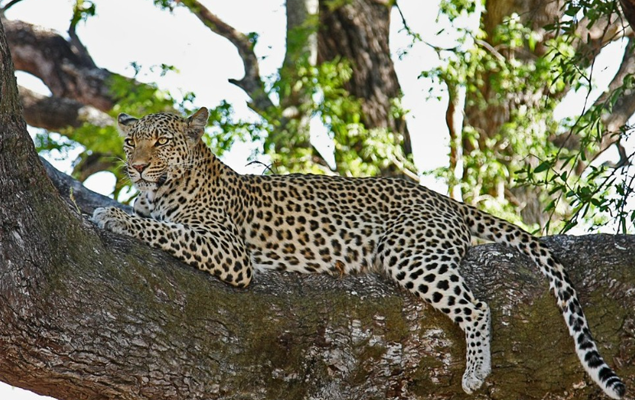
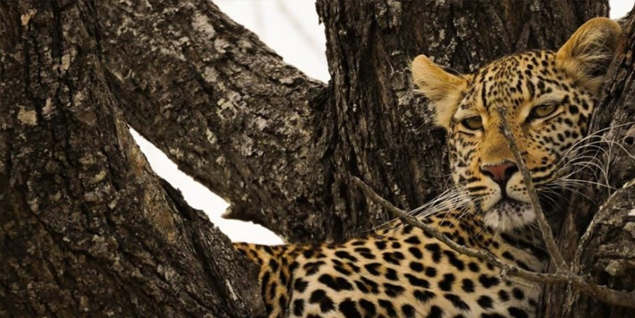
Leopards are masters of disguise. They spend most of the daylight hours high up in a tree, snoozing in the midday heat, before becoming more active once the day cools off and the sun begins to set, adding to their elusive nature.
Those who set out on a guided safari will usually have better luck than self-drivers, and when you do spot this spectacular big cat, you join the ranks of the lucky few who get to go home with the ultimate bragging rights.
Why are Leopards Difficult to Spot?
Leopards are solitary, stealthy cats that spend much of the day resting in dense vegetation or trees.
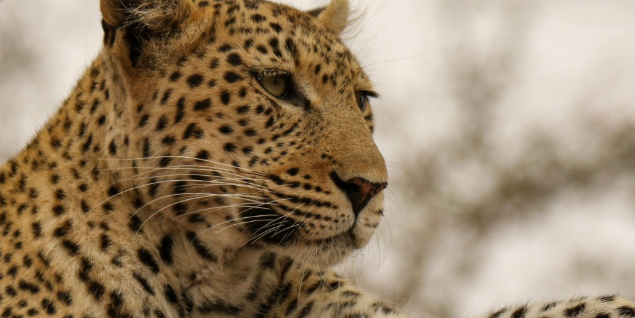
Their golden coats blend beautifully into dry grass and dappled shade, while their discreet movements make them easy to miss while driving past, looking for the more obvious animals.
They also hunt mainly during cooler hours, often stalking prey before making a short, powerful charge. A leopard may cross the road in seconds and vanish before you have even thought about lifting a camera.
Where to Look for Leopards in the Kruger
They love to be in riverine vegetation where they can get shade, water and cover. It is the perfect leopard habitat.
When you are travelling through this part of the park, you should keep an eye on:
| Place to scan | What to look for |
| Large trees | A curved tail, hanging paws or a relaxed body on a branch |
| Riverbanks | Fresh tracks, resting cats and prey animals nearby |
| Thick bushes | A golden coat, rounded ears or a slow blink |
| Rocky outcrops | Leopards resting in the afternoon warmth |
| Roadside shade | A cat lying low beneath shrubs or trees |
Leopards will drag their kills into trees to protect them from competing predators, especially scavenging hyenas. If you think you see a suspiciously shaped bundle in a branch, you should ask to take a closer look, especially if you spot vultures nearby.
The Best Time to See Leopards in the Kruger
Early morning and late afternoon will give you some of the best chances to see leopards because temperatures are cooler and predators are more active.
Dry winter months from May to September also make looking easier, as the thinner grass and fewer leaves improve visibility.
The first hour after entering the park is generally considered to be the best time of day to encounter leopards in the Kruger. At this hour, leopards have spent the night hunting and are either dragging their dinner to a tree, or headed home empty handed.
Either way, this is when these big cats are on the move.
You will have the best chance of seeing leopard in the Kruger when you are touring with an experienced guide who can read tracks, and understand alarm calls and changes in impala behaviour. When several antelope stare in the same direction, and intensely focused on what you can’t see.
How to Improve your Sighting
To start with, the best way to see leopards is to go on a guided safari. Guides will give you the edge and they also know the roads well enough that if you say you hope to see this big cat, they will make sure they take you on a route known for these sightings.
Aside from travelling with the right safari company, to improve your sighting, you can:
A leopard can be spooked and disappear when passengers talk loudly, lean out of the vehicle or insist on moving closer. By staying still, you will give the animal space and gives everyone gets to enjoy the sighting.
GAP Tours is a homegrown travel company with a wide range of exciting tour packages available. Our guides know the park well and spend plenty of time travelling along some of the routes best known for their leopard sightings. You can browse our tours on our website or contact us for more information.
Frequently Asked Questions
What is the best time to see leopards in Kruger?
Early morning and late afternoon provide the strongest opportunities. The dry months from May to September also make leopards easier to spot among thinner vegetation.
Where are leopards most commonly seen in Kruger?
The Sabie River area, especially between Skukuza and Lower Sabie, is a popular region for leopard sightings. Riverbanks, large trees and shaded roads deserve careful scanning.
Are leopard sightings guaranteed in Kruger?
No. Leopards roam freely and remain difficult to predict. A skilled guide improves the chances, but no ethical safari company can promise a sighting.
What should visitors look for in a leopard tree sighting?
Look for a dangling tail, paws over a branch, a golden shape in the leaves or a kill wedged in the canopy. Vultures and nervous antelope can also provide useful clues.
Can visitors photograph leopards safely?
Yes, from inside the vehicle and at a respectful distance. Keep arms and camera equipment inside when instructed, avoid sudden noise and follow the guide’s directions.