How having a Guide Completely Changes the Entire Kruger Experience
Two vehicles pull up at the same Kruger waterhole.
One driver sees mud and a few impalas.
The other, the group riding with a guide, sees a leopard stretched along a marula branch 40 metres from the water.
Though they are on the same road, they are having a completely different morning and it is all thanks to one of the groups having a professional guide.
Guided Kruger Park safaris can give you a more in-depth experience, one that really introduces you to the nuances and finer details that make the Kruger such a spectacular place.
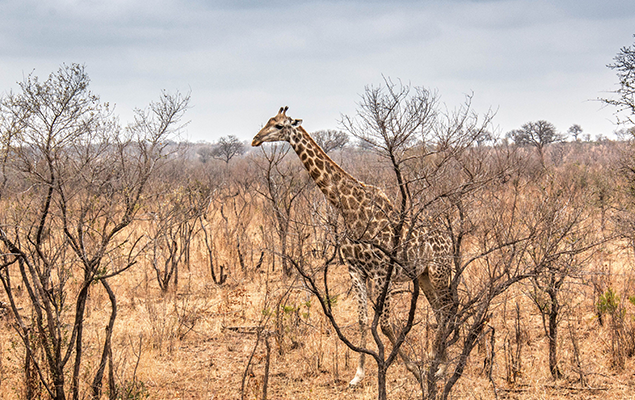
What does a guide add to a Kruger safari?
A guide adds experience in spotting wildlife, live sighting updates, animal behaviour knowledge and safe positioning, which together turn a drive through the bush into plenty of encounters.
The Kruger stretches roughly 350 kilometres from north to south and is home to 147 mammal species and more than 500 bird species. Having a guide who knows where and how to find the animals you want to see, gives you a better chance to have the sort of experiences you’ve day dreamed about.
Self-drive or guided?
Compared side by side, this is what they look like:
| Feature | Driving yourself | With a guide |
| Spotting | Two eyes at windscreen height | Trained eyes from raised seating |
| Sightings | Luck and car clusters | Radio updates between guides |
| Positioning | 50 km/h tar and 40 km/h gravel limits | Stops placed for light and safety |
| After dark | Back at camp by gate closing | Night drives with accredited guides |
| Context | A field guide on your lap | Live behaviour commentary |
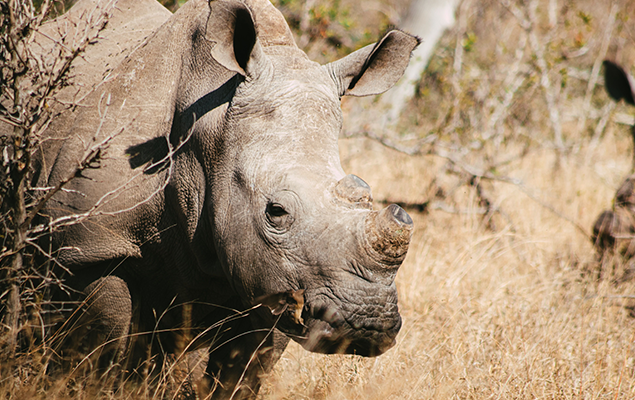
What does a guide notice that most visitors miss?
A guide notices alarm calls, spoor and behaviour cues, three signals that point to animals long before they appear, and each one is easy to learn once someone explains what the bush is saying:
When is the best time for a Kruger game drive?
The best Kruger game drives start at sunrise, from roughly 4:30 am in midsummer to 6:00 am in midwinter, because predators are active and temperatures are low for the first three hours. The dry season from May to September thins the bush and pulls animals to rivers and waterholes. Guides time every route around both.
How do you choose a guide for a Kruger safari?
All of the best Kruger Park safari packages include a guide as a part of the tour.
Guides need to have a FGASA qualification, are capable of handling a small group size and they would have completed a number of drives in the past, giving them the experience they need in order to give you an unforgettable trip.
At GAP Tours, our guides have spent years travelling through various areas of the park and they always put the needs and expectations of guests at the forefront of any trip. You can book a tour through our website or by contacting us.
Frequently Asked Questions
What are guided Kruger Park safaris?
Guided Kruger Park safaris are game drives or walks led by a qualified guide who tracks wildlife, shares sightings by radio and explains animal behaviour as it happens.
Are guided safaris in the Kruger worth it?
Yes. Guides raise sighting quality through trained spotting, radio updates and night drive access that self drivers do not have.
How many days are needed for a guided Kruger safari?
A minimum of 3 days gives guides time to cover different habitats, since Kruger holds 16 ecozones, from granite savanna to riverine forest.
Do guides help find the Big Five?
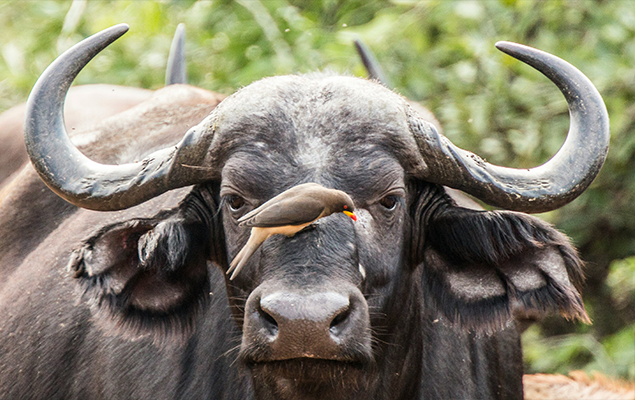
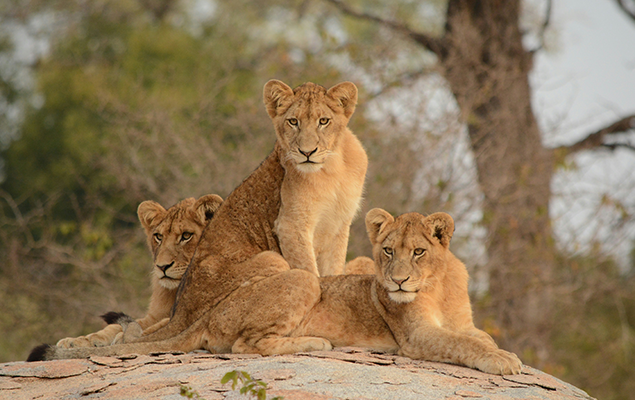
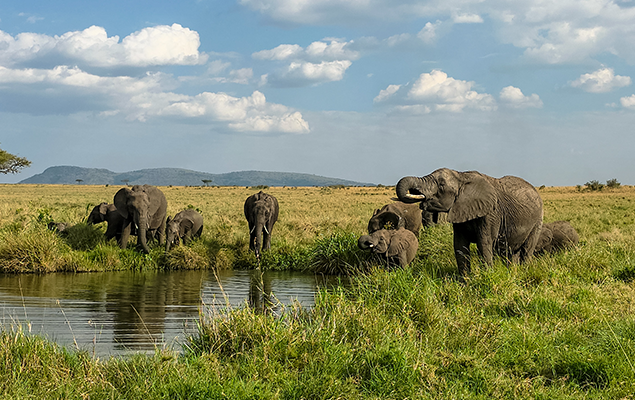
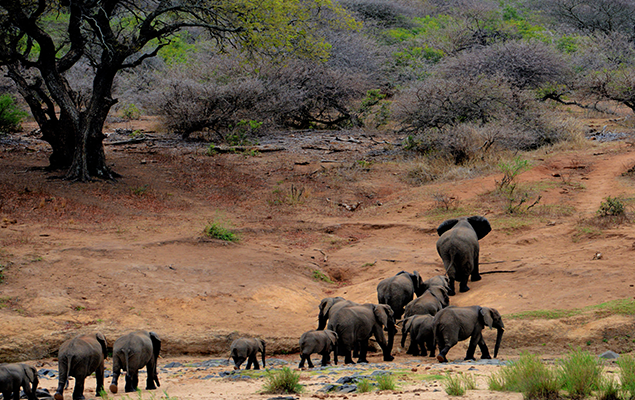
Yes. Lion, leopard, elephant, buffalo and rhino all live in the Kruger, and guides track each one through spoor, calls and radio updates.
What to pack for a guided Kruger safari?
Neutral clothing, a warm layer for dawn, binoculars, sunscreen and a camera. Binoculars matter most, as they bring distant sightings into focus.