How Droughts can Create Better Safari Moments
Summer in the Kruger is the wet season for the region, but sometimes, Mother Nature decides to play a little bit unfair and instead of sending deluges, the rain just doesn’t come. The dryness of the winter continues into summer, and then on, into winter again, and the park stays parched.
It is a part of Africa’s extreme weather cycles and while as an observer, it can seem harsh, the wildlife of the Kruger is well adapted to the extremes.
Drought and dry conditions are not the enemy of a great safari.
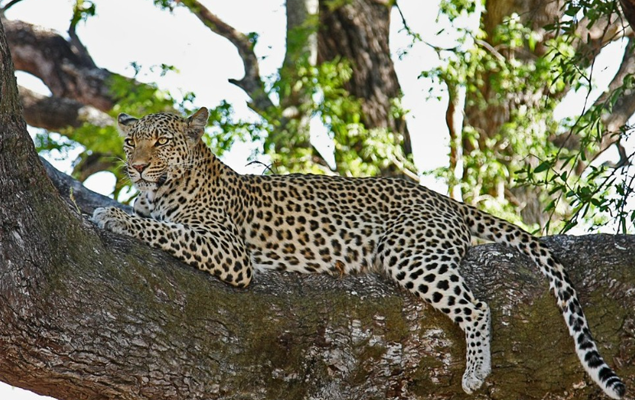
In fact, they can give you some of the best conditions for seeing some exceptional sightings. When water becomes scarce, the wildlife tends to gather more frequently at the few remaining waterholes, rather than hide away.
And this concentration creates some of the most intimate and unforgettable safari moments you will ever experience.
The Dry Season Advantage
The dry winter months from May to September are well known for being the premier window for wildlife viewing in the Kruger National Park.
During this period, rainfall drops significantly and the landscape turns into an open theatre where spotting animals becomes easy.
Vegetation thins dramatically as trees drop their leaves, removing the dense green curtains that hide wildlife during wetter months.
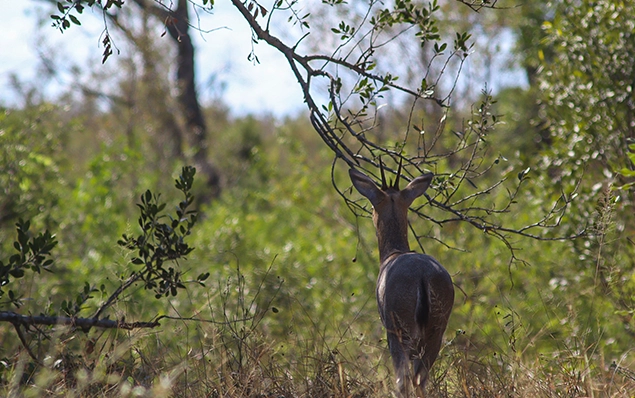
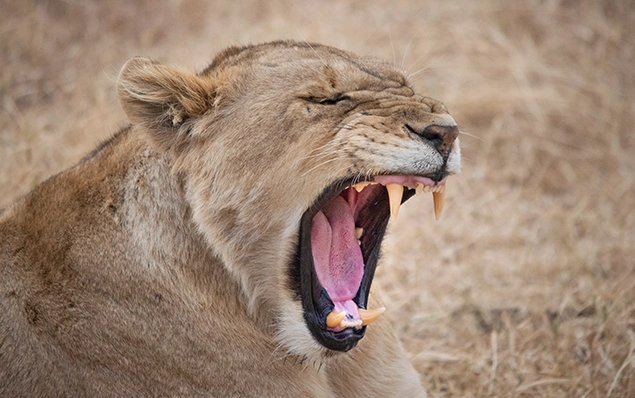
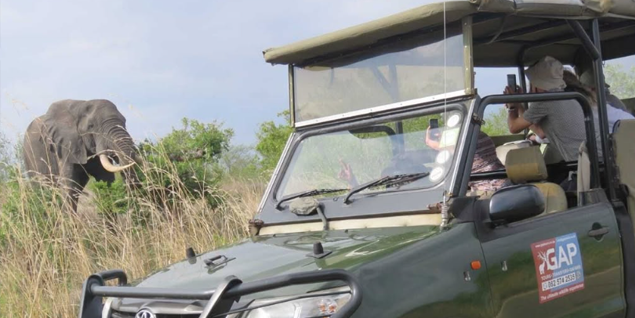
Water sources also shrink to permanent rivers and designated waterholes, forcing animals to congregate in predictable locations day after day. During this time of the year, you’ll spend less time searching and more time watching elephants, buffalo, rhinos, lions and leopards sharing the same space.
Big 5 sightings also reach their most consistent levels during these dry months, with July through September delivering peak performance for predator activity.
And the cooler temperatures, ranging from 15 to 25°C, make game drives comfortable from dawn through sunset, while malaria risk drops to its lowest point.
All round, although there’s no rain, it’s a great time to travel.
But winter is not the only time you might encounter intensely dry conditions.
Understanding El Niño and Weather Patterns
Weather patterns, although lately quite impossible to predict, have a role in planning your safari timing.
The upcoming El Niño weather event, which this year is expected to be worse than past events, brings drier than average conditions to southern Africa, lengthening and intensifying the natural dry season effects across the Kruger.
This climate phenomenon typically reduces rainfall during the summer months, which for those on safari means extending the period of concentrated wildlife viewing well into what would normally be the green season.
It comes with some other perks too, like beautiful clear skies, balmy nights and the blissful sounds of frogs and other critters, all enjoying the heat.
A Few Tips for Dry Safaris
The dry season has plenty of travel tips, but these are the best you’ll find for travelling during an El Niño.
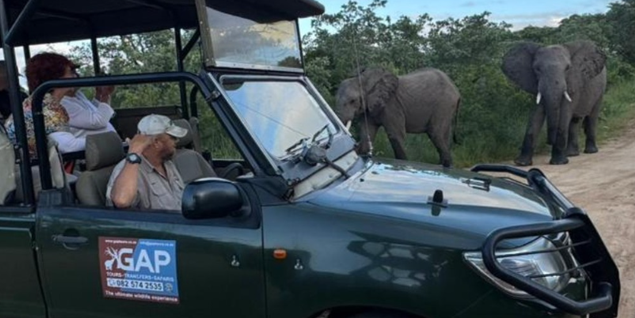
At GAP Tours our guides know which waterholes are best to visit during dry spells and our expertise will come in handy when the days get toasty. You can browse our full range of Kruger Park safaris over on our website and if you need help choosing one, you can have a chat with one of our consultants.
Frequently Asked Questions
What are the best times for a Kruger safari for Big Five sightings?
The best times for a Kruger safari targeting Big Five sightings are May through September, with July to September offering peak conditions. During these dry winter months, animals concentrate around limited water sources, making lions, leopards, elephants, buffalo and rhinos easier to locate and observe consistently.
When is wildlife viewing easiest in Kruger National Park?
Wildlife viewing is easiest in Kruger National Park from June to August when vegetation is thinnest and animals gather at permanent water sources. The dry conditions create open visibility and predictable animal movements, with August achieving a wildlife viewing score of 90 out of 100.
How does drought affect safari experiences in Kruger?
Drought conditions improve safari experiences in Kruger by concentrating wildlife around remaining water holes and rivers. Animals become more visible as vegetation thins, creating better photography opportunities and more frequent sightings of multiple species in single locations.
What weather should I expect during the best safari months in Kruger?
Expect cool, dry weather with temperatures between 15 and 25°C during the best safari months from May to September. Morning and evening drives can feel chilly, so pack warm layers, while midday remains pleasant for outdoor activities with minimal malaria risk.
Are dry season safaris better than wet season visits to Kruger?
Dry season safaris from May to September provide superior wildlife viewing compared to wet season visits, though each offers distinct advantages. Dry months deliver consistent Big Five sightings and clear visibility, while wet months from October to April feature lush landscapes, newborn animals and exceptional bird watching with 507 species.