Why The Kruger is at Its Most Beautiful at the End of Winter
August in the northern hemisphere is summer at its full height, but here in the bushveld, August is dry, cool and just starting to warm up.
The grass has thinned to gold, dust gets just about everywhere, and for a few simple reasons, this stripped back version of the bush just happens to be one of the best times for a Kruger safari.
Ask any field guide which weeks they would pick for a personal game drive, and most name the same six to eight weeks: the tail end of winter.
Why The Bush is at its Finest Now
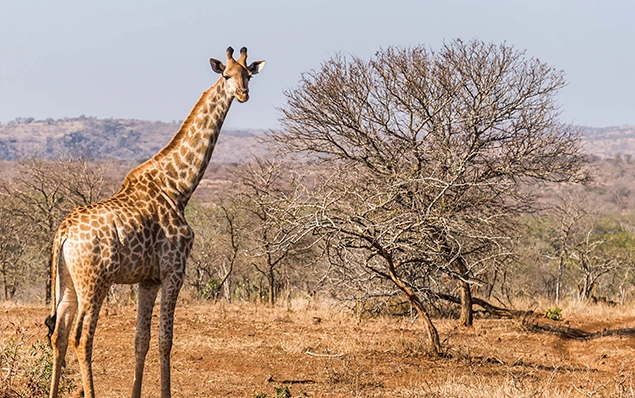
Late winter strips the Kruger bare, and while wildlife find this time of the year difficult, the sparse bush works entirely in your favour.
Rainfall drops well below 15 millimetres a month across July and August, so the smaller pans dry out first.
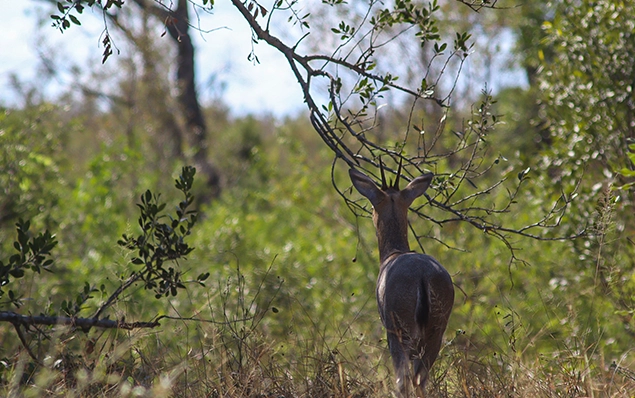
Elephant, buffalo and antelope herds move toward the park’s permanent rivers and dams, gathering in numbers that summer visitors rarely get to see.
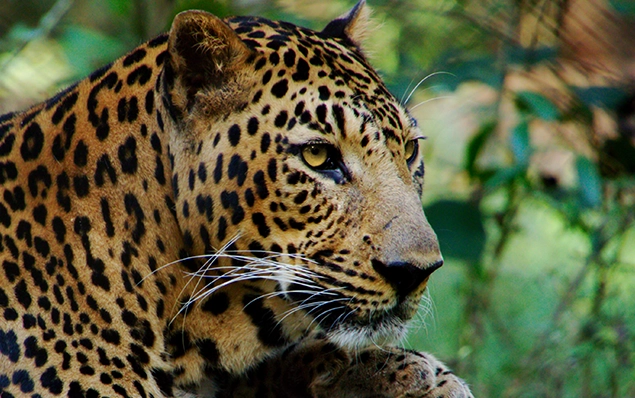
Grass cover, thick and shoulder height after the December rains, has by now long thinned out to ankle height, so a leopard draped across a marula branch or a pride resting in the open no longer hides behind a wall of green.
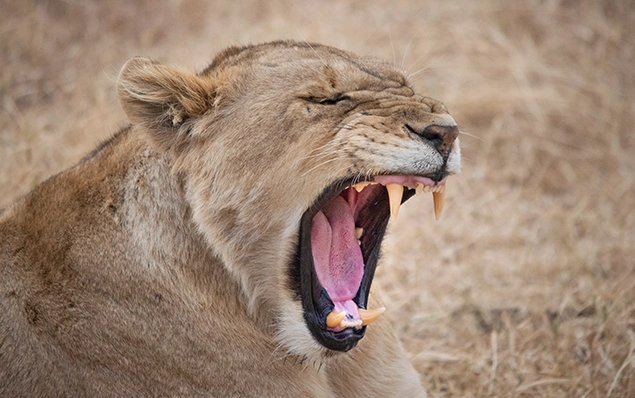
The Kruger is home to about 147 mammal species across almost two million hectares, and late winter is when you can really see them cluster within sight of the road.
The August Kruger Weather
How comfortable you are during your tour will be as important as the sightings you enjoy throughout the day.
Daytime temperatures in late August are starting to warm up and average 24 to 27 degrees Celsius, cool enough for a full day in an open vehicle without the midday heat that hits by December.
Mornings drop to around 7 degrees Celsius, crisp enough for a blanket when on your morning game drive.
Dry, dust free roads and low humidity also mean clearer photographs, since summer’s haze and afternoon storm clouds are still months away.
If you are weighing up your seasons, this might help you settle on the best one to travel in:
|
Season |
Typical daytime temperature |
Monthly rainfall |
Game viewing |
|
Early winter (May to June) |
20 to 23°C |
Under 10mm |
Good, vegetation still moderate |
|
Late winter (August to early September) |
24 to 27°C |
Under 15mm |
Excellent, thin bush, waterhole gatherings |
|
Summer (December to February) |
30°C plus |
Over 100mm |
Harder, thick bush, animals spread out |
The 2 Things Most First Time Visitors Miss
One detail catches many first time visitors off guard is the malaria risk following the summer rain.
Mosquito numbers fall sharply once the dry season sets in, and health data for the Lowveld consistently shows fewer reported cases between June and September than during the wet summer months.
That does not remove the need for the usual precautions, but it does make late winter a lower risk window for travellers concerned about getting ill.
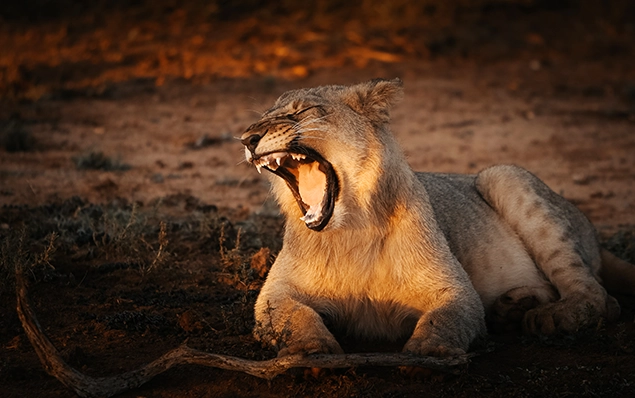
Light is the other detail to keep in mind, especially if you are planning on taking photos (which you absolutely should be doing).
The midday sun in late winter sits high and flat, washing out colour and pushing animals into shade, so the sharpest sightings and the best photographs happen either side of that time of the day.
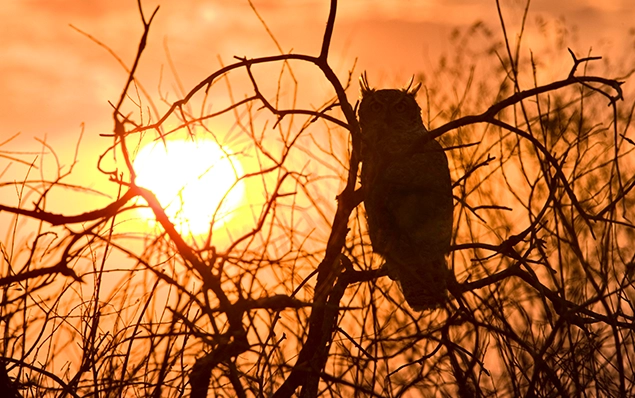
A sunset drive that runs late into the afternoon catches the golden light just right making for some of the best photos.
Planning an August Kruger Park Safari?
At Gap Tours and Transfers, we have a range of safari packages and all of them are perfect for an August trip. If you need help picking a package, based on your holiday expectations, you can contact us and let one of our helpful consultants advise you.
Frequently Asked Questions
When is the best time for a Kruger safari?
Late winter, from August into early September, is widely rated the best time for a Kruger safari, since thinning bush and low rainfall draw animals toward shrinking water sources. Visibility across the reserve’s roughly two million hectares improves week on week as the dry season deepens, peaking before the first summer rains arrive in November.
Why does late winter improve game viewing in the Kruger?
Reduced rainfall dries up the smaller pans first, concentrating wildlife around permanent rivers and dams that hold water year round. Sparse foliage strips away the visual cover thick summer growth provides, so predators, elephant herds and antelope appear in open ground rather than tucked behind bush that can grow shoulder height by December.
What is the weather like in the Kruger at the end of winter?
Daytime temperatures average 24 to 27 degrees Celsius in late winter, with cool mornings that drop to around 7 degrees Celsius before sunrise. Rainfall stays under 15 millimetres for the month, giving dry roads, clear skies and low humidity, all of which favour sharper photographs and steadier game drives.
Is malaria risk lower in late winter?
Malaria risk drops during the dry winter months, since mosquito breeding depends on standing water and humidity that disappear once the rains stop. Lowveld health data consistently records fewer cases between June and September than during the wet summer, though standard precautions still apply.
How many days are needed for a Kruger safari in late winter?
Three to four days give enough time to cover more than one ecozone and to mix morning, sunset and after dark drives, which each surface different species. A single day still delivers strong sightings in late winter, but multiple game drives at different times raise the odds of spotting nocturnal animals such as leopard, hyena and civet.