There was a time when a status holiday meant a rooftop pool and a hotel logo you could drop into conversation.
But that era is quickly coming to an end.
These days, the travellers with the most to spend are no longer chasing a marble lobby or a beach mansion.
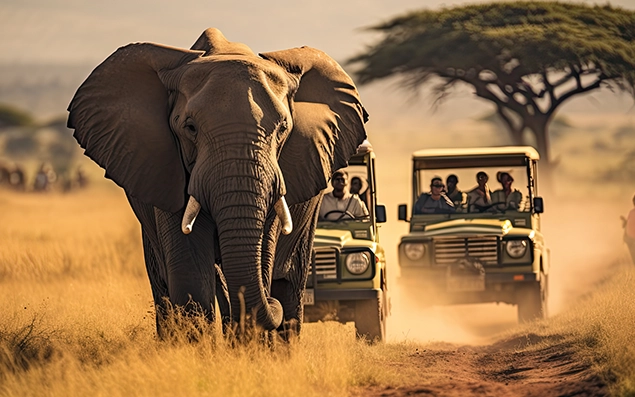
They want a private track through the bush, a guide who knows the best spots to see wildlife and peace and quiet so complete that it makes a city feel like a fever dream.
According to recent travel industry analysis, African wildlife safaris are becoming the defining luxury status symbol for high-value travellers, replacing five-star hotel stays as the marker of real prestige.
The reasoning is simple.
A private gorilla trek, a low-density Okavango camp, or a private reserve near Kruger carries social weight because it is a rare sort of holiday one that combines taste, time, knowledge and purpose, four things money alone cannot buy on demand.
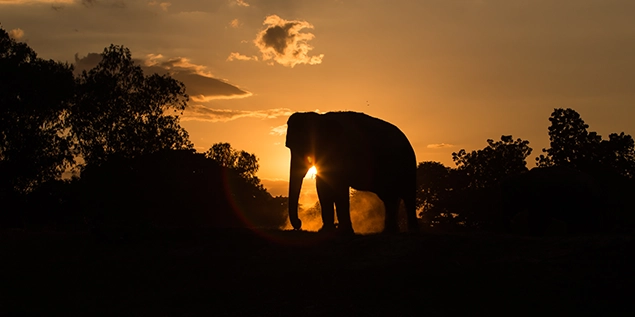
What Modern Luxury Travellers Actually Want
| Country | Signature Safari Strength |
|---|---|
| South Africa | Scale, private reserves and easy access via Kruger-linked circuits |
| Kenya and Tanzania | The Great Migration and open plains game viewing |
| Botswana | Low density wilderness and remote water-based camps |
| Rwanda and Uganda | Gorilla and primate trekking |
| Namibia, Zambia, Zimbabwe | Desert landscapes, walking safaris and waterfall-based experiences |
South Africa holds a particular advantage in this new era of tourism because it has major international airports, strong domestic air links, private game reserves and Kruger-linked safari circuits with wine country and coastal add-ons close by, giving travellers depth within a single trip rather than a single sighting.
Why You’ll See the Best of Africa when Travelling With Smaller Operators
The preference for privacy and rarity is, in practice, a big move away from mass tourism.
Operators are selling fewer but richer trips, and travellers are actively looking for companies that treat them as individuals rather than seat numbers on a large vehicle.
If this is a trend that appeals to you, this is how you should go about finding the right company to travel with:
Ask how many guests share a vehicle.
A smaller group changes everything about the pace, the sightings and the quality of the guiding.
Prioritise operators based near the reserve, not just those marketing it.
Local, on-the-ground knowledge shortens the distance between booking and being well looked after.
Build in unstructured time.
The best sightings rarely happen on a rigid schedule, and a flexible itinerary tends to reward patient travellers.
Choose a guide who narrates behaviour, not just names.
Understanding what an animal is doing, and why, turns a sighting into something worth telling for years.
This is precisely where a locally run operator becomes the best option.
GAP Tours & Transfers has built its reputation on exactly this kind of personal attention, small group safaris through the Kruger, the Panorama Route and Moholoholo, led by guides who grew up in the bush and treat every guest as somebody rather than part of a crowd.
Source: Times of India, based on travel industry reporting on Africa’s luxury safari boom
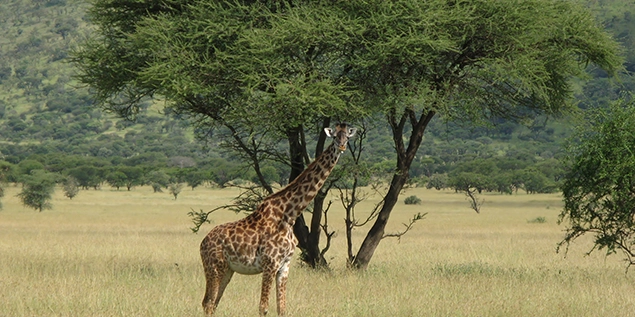
Frequently Asked Questions
Why are African wildlife safaris considered a status symbol now?
African wildlife safaris signal status because they offer privacy, rarity and purpose, qualities high-value travellers now prioritise over traditional five-star hotel stays.
Which African countries lead the luxury safari trend?
South Africa, Kenya, Tanzania, Botswana, Namibia, Rwanda, Uganda, Zambia and Zimbabwe each lead with a different strength, from South Africa’s private reserves to Botswana’s low-density wilderness camps.
What makes South Africa a strong choice for a luxury safari trip?
South Africa combines major international airports, strong domestic air links and private game reserves within Kruger-linked circuits, allowing travellers to add wine country or coastal stops within a single itinerary.
Is a small group safari better than a large tour group?
Yes, a smaller vehicle allows for a slower pace, closer sightings and more personal guiding, which is a key reason private and low-density safaris now carry higher social value.
What should travellers look for when booking a wildlife safari in Africa?
Travellers should confirm vehicle group size, choose operators based near the reserve itself and prioritise guides who explain animal behaviour rather than simply naming species.