A Guide to Night Drives in The Kruger
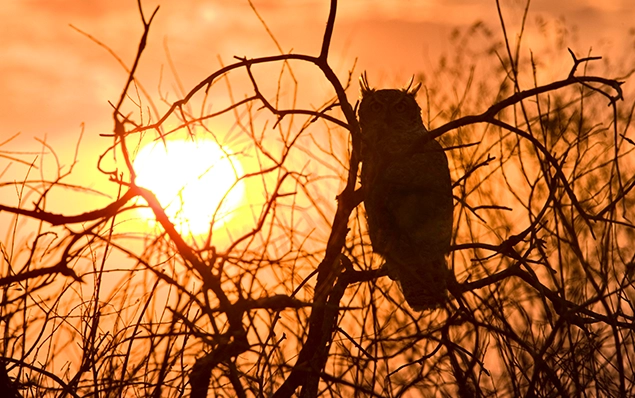
Nothing is the same in the Kruger National Park once the sun starts going down.
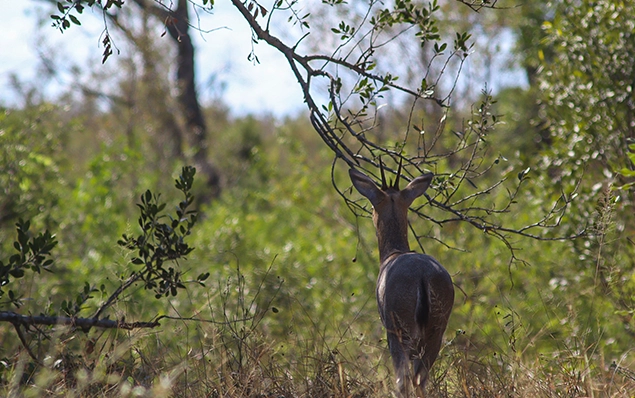
Grazers that spent the afternoon dozing under a marula tree get up and move, usually to a safe spot, predators start reading the wind, and a whole new variety of animals that never show themselves in daylight start emerging.
A Kruger Park night drive has been designed to introduce guests to the park’s nocturnal wildlife, and it runs on a few rules most day visitors never need to learn.
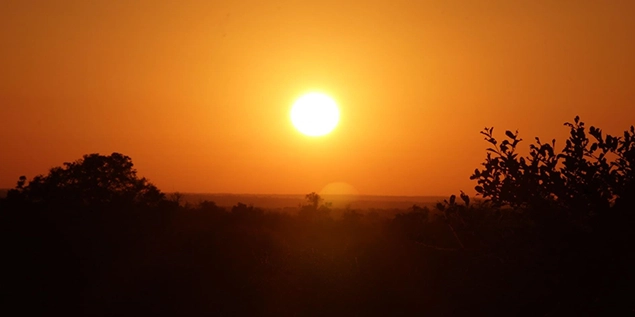
What You Can See on a Kruger Night Drive?
The Kruger is home to 147 mammal species, and a large share of them only come out after dark.
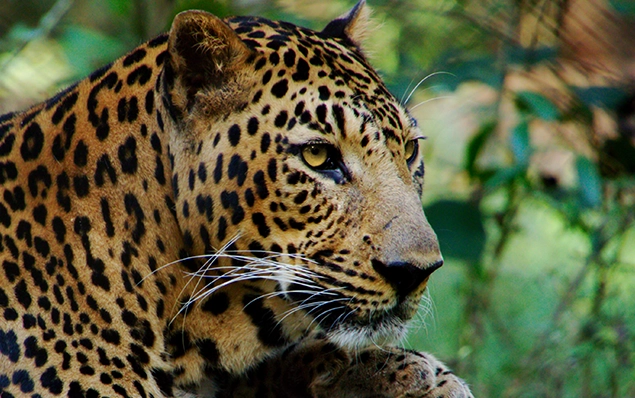
Leopards do most of their hunting after sunset, though they are sometimes spotted during the day time, mostly at dawn and dusk.
Civets, genets, bush babies, aardvarks, porcupines and honey badgers all very rarely appear before dusk at all, and hyenas start moving as the light fades rather than after it has gone.
A standard day drive, however long, misses most of this group, but after dark, with a spotlight added to the vehicle, and a guide trained to spot shining eyes in the dark, you’ll get to see a section of the park’s wildlife that most visitors never see.
The Rule Most Visitors Get Wrong
The Kruger’s gates close at sunset, and after that, independent driving inside the park is not allowed at all.
Anyone caught on a public road after gate time faces a fine, and the rule applies whether it is a self-drive rental or a private tour vehicle without the correct permit.
That single rule is why a night drive has to run through a registered operator or a SANParks organised evening drive from a rest camp, both of which are timed to slip in before the gates shut and continue once the last of the light has gone.
A packaged evening safari from a gateway town such as Hazyview typically collects guests mid-afternoon, enters through an official gate, drives during the golden hour, then keeps going into full dark with a spotlight before heading back out and taking guests back to their lodge for dinner.
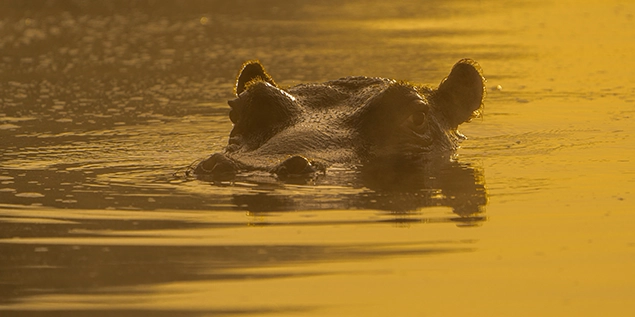
A Detail to Plan Around
Temperature is something most people don’t give enough thought to.
The Lowveld can be 28 degrees Celsius at 4 in the afternoon and drop well below 15 degrees Celsius just 2 hours later once the vehicle is moving and the sun is gone, so a jacket that felt unnecessary at pickup suddenly becomes essential.
A second, less obvious thing to think about is watching the guide’s spotlight rather than the bush around it because their trained eyes track the beam for the reflection of the light on an animal’s eyes, which shows up as two dots of colour long before the animal itself is visible, and following that beam rather than scanning the bush at random greatly improves what a first timer manages to spot.
At Gap Tours & Transfers, we run our evening safaris as a sunset drive that continues on into the evening and finishes with a bush braai, and during your drive with us you might just return to your lodge with one heck of a leopard story.
Frequently Asked Questions
What time do Kruger Park night drives start?
Kruger Park night drives typically depart in the late afternoon, between 15:30 and 17:00 depending on the operator and the season, so the vehicle is already inside or near the park before the gates close. The drive then continues through sunset and into full darkness, usually returning guests to their accommodation between three and six hours later.
Can visitors do a Kruger night drive by themselves?
No. SANParks rules keep all self drive vehicles off public roads once the gates close, and a private vehicle without a permit cannot legally continue driving after that point. A registered guide with the correct authorisation, or a SANParks organised drive from a rest camp, is the only way to be on Kruger’s roads once darkness sets in.
What animals show up on a Kruger night drive that you rarely see during the day?
Leopard, civet, genet, serval, African wildcat, aardvark, honey badger and bush baby all count among Kruger’s most reliable after dark sightings, since each is either fully or largely nocturnal. Larger species such as elephant, buffalo and rhino also move at night, though hyena activity tends to build from late afternoon rather than starting only once it is fully dark.
How long does a Kruger night drive last?
Kruger night drives run anywhere from two hours, for the official SANParks drive booked directly through a rest camp, up to five or six hours for a packaged sunset drive and bush braai from a gateway town. The longer format usually includes a sundowner stop, the after dark spotlighting session and dinner before the return transfer.
What should you wear on a Kruger night drive?
Layered clothing matters more than anything else, since daytime temperatures above 25 degrees Celsius can fall by 10 degrees or more once the vehicle is moving after dusk. A jacket, closed shoes and a torch with a red filter, which does not disturb nocturnal eyes the way a white beam does, round out a practical kit for most late afternoon and evening drives.