A rare and powerful cut-off low pressure system, originating from the Mozambique Channel, has delivered record-breaking rainfall to the Kruger National Park, leaving widespread devastation in its wake.
While seasonal flooding is no stranger to the park, particularly during tropical cyclone season, cut-off lows are an unusual occurrence for the region. Unlike typical weather systems, a cut-off low detaches from the jet stream and stalls, unleashing prolonged and severe conditions over the same area.
The system made its presence felt from the 10th of January 2026, battering the park and neighbouring Mozambique with relentless rain that continued falling for days. The timing compounded an already saturated situation, as the north-eastern parts of the country had been tracking well above average rainfall for the summer season.
Before the system even arrived, anxiety rippled across social media, with residents and visitors sharing screenshots from weather applications forecasting anywhere between 300mm and 1,000mm of rain, figures that sent shockwaves through communities in and around the park.
When the rains finally came, they were unrelenting. For many, the scenes evoked painful memories of the catastrophic 2000 floods, an event that rewrote the record books and established new 100-year flood markers across the region.
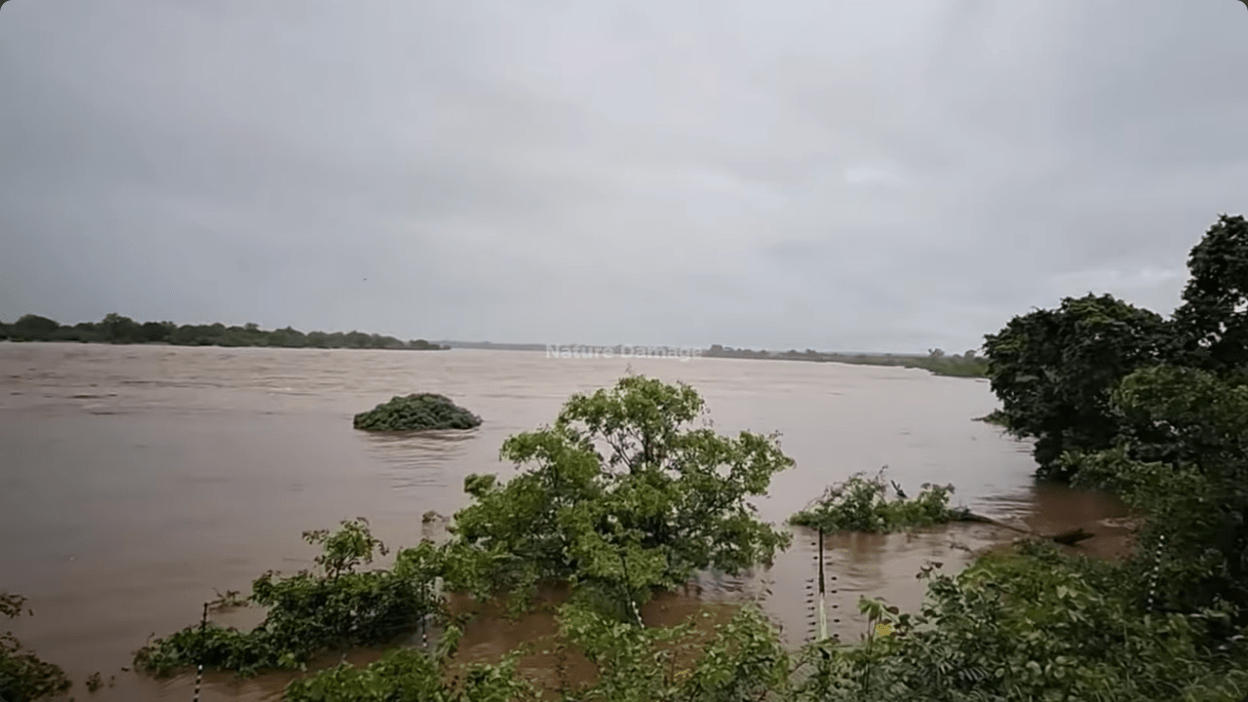
Camps such as Punda Maria and Pafuri recorded more than 300mm of rainfall within just a few days. The Luvuvhu, Sand, Crocodile, Limpopo, and Sabie Rivers all burst their banks, cutting off camps including Mopani, Olifants, and Shingwedzi. SANParks mobilised its helicopter fleet to evacuate more than 600 staff members and guests from affected areas.
At Letaba, floodwaters surpassed even the 2000 flood marker, a sobering milestone, as the Letaba River tore through the camp, prompting further evacuations. Elsewhere across the park, roads and bridges were swept away and multiple dams overflowed their boundaries.
The impact extended beyond the park’s borders, with sections of the scenic Panorama Route suffering significant road damage. Popular landmarks, including Bourke’s Luck Potholes, were forced to close pending the receding of floodwaters.
By the 19th of January, SANParks reported that water levels at Letaba were beginning to drop. However, access to the park remained limited, with only the southern gates, Paul Kruger, Numbi, Malelane, and Phabeni, operational.
Yet amid the destruction, there are reasons for cautious optimism. In a blog post, Londolozi’s Sean Zeederberg highlighted the vital ecological role such rainfall plays. He noted that the deluges would recharge underground aquifers and raise the water table, providing a crucial buffer for the bushveld through the dry months ahead. Additionally, the surge in moisture would revitalise insect populations, triggering a feeding boom for frogs and insectivorous species, a ripple effect that would ultimately enrich the broader ecosystem.
Concerns about the welfare of the park’s wildlife were also addressed. Professor Wisemen Chingombe, a specialist in physical geography, biology, and environmental sciences at the University of Mpumalanga, reassured readers of the Lowvelder newspaper that the majority of animals would have instinctively retreated to higher ground well before the heaviest rains descended.
Extreme weather is woven into the fabric of life in the Kruger. Under the stewardship of SANParks, the park will recover, and it will, in time, open its gates once more to welcome the world back into one of Africa’s greatest wilderness areas.