Every safari lover eventually reaches the same crossroads.
Having travelled the length and breadth of the Serengeti, the Kruger, and the Okavango Delta, they start to wonder if they have perhaps seen the best of what Africa has to offer, and then they start to think, just where do we go next?
Africa is huge, and just because you’ve travelled to the better-known destinations doesn’t mean you have seen it all (even if you have ticked off your wildlife bucket list).
In an article published in Getaway, there are 7 places that are set to trend during the rest of 2026 and into 2027.
If you feel like you’ve seen it all, you ain’t seen nothing yet.
Gonarezhou National Park, Zimbabwe
Gonarezhou translates to “Place of the Elephants”, and it is well-known for both its elephant populations and its striking red sandstone cliffs that rise above the Runde River, forming one of southern Africa’s most beautiful safari backdrops.
The park connects to South Africa and Mozambique through the Great Limpopo Transfrontier Park, allowing elephants, lions and African wild dogs to move freely across three countries.
And with few visitors and the wildest scenery, this African holiday destination is a strong pick for travellers who have already ticked off the classic circuits.
Zinave National Park, Mozambique
Zinave stands as one of Africa’s most significant rewilding projects, and what’s more is that when you visit here, you get to see the project in progress.
Large-scale translocations have returned thousands of animals to the park, including elephants, giraffes, zebras and buffalo, following decades of decline.
Visitors get to see the ecosystem rebuilding itself in close to real time, a rare front-row seat to conservation in motion, and something that makes this particular place a great one to visit again and again.
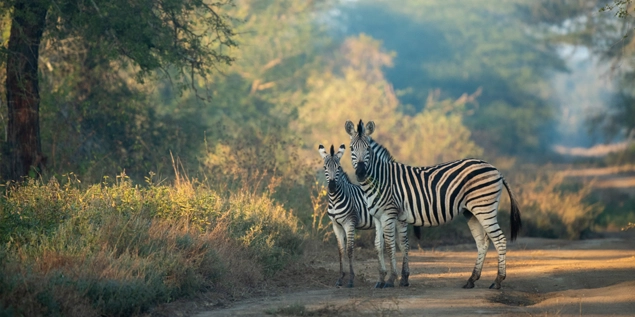
Kafue National Park, Zambia
Kafue ranks among Africa’s largest national parks, protecting a mix of miombo woodland, rivers and wetlands across its territory.
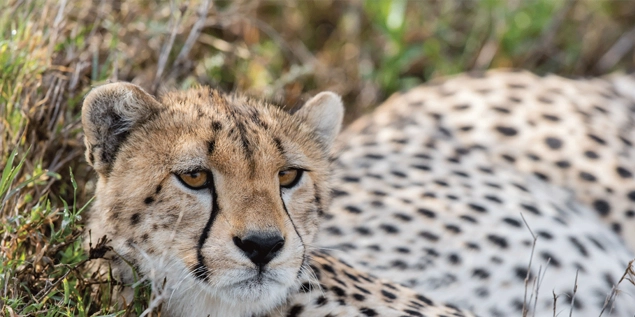
The Busanga Plains are known for exceptional predator sightings as they are home to lions, leopards, cheetahs and African wild dogs.
More than 500 bird species have been recorded within the park, placing it among southern Africa’s premier birding destinations.
Nkasa Rupara National Park, Namibia
Namibia’s reputation rests on deserts and dunes, yet Nkasa Rupara protects the country’s largest wetland reserve instead.
Rivers and reed beds support elephants, hippos, crocodiles, and a wide range of birdlife, with boat safaris giving guests an entirely different vantage point. The park also has a predator population, but they are not always as visible as the rest of the wildlife.
With the low visitor numbers, a safari can feel very personal, giving your stay a somewhat exclusive vibe.
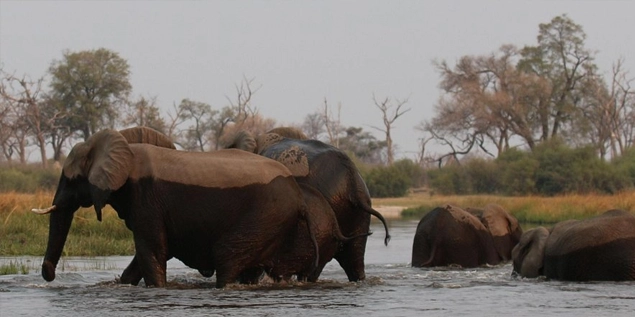
Majete Wildlife Reserve, Malawi
Majete has one of the best comeback stories.
Poaching had emptied much of the reserve of large mammals within living memory.
Yet, a sustained restoration programme has since reintroduced elephants, black rhinos, lions and leopards, giving back Majete’s status as one of Malawi’s Big Five destinations.
Liuwa Plain National Park, Zambia
Liuwa Plain hosts Africa’s second largest wildebeest migration, with tens of thousands of animals crossing open grasslands each year, trailed by cheetahs and a growing lion population. Visitors frequently have entire sightings to themselves across the park’s floodplains, a genuine rarity anywhere on the continent.
Luengue-Luiana National Park, Angola
Decades of conflict kept Angola’s parks largely closed to visitors, but today Luengue-Luiana forms part of the Kavango-Zambezi Transfrontier Conservation Area, the largest terrestrial conservation landscape on Earth.
Elephant herds are returning in growing numbers, alongside lions, leopards and African wild dogs reclaiming their historic habitats.
Of all the destinations on this list, Luengue-Luiana is the ideal place for intrepid travellers.
| Destination | Country | Best Time to Visit |
| Gonarezhou | Zimbabwe | May to October |
| Zinave | Mozambique | May to October |
| Kafue | Zambia | June to October |
| Nkasa Rupara | Namibia | July to October |
| Majete | Malawi | May to October |
| Liuwa Plain | Zambia | November to May |
| Luengue-Luiana | Angola | June to October |
A few practical points worth knowing before booking your trip to any of these destinations:
Add extra travel days into the itinerary.
Several of these parks sit far away from major airports, and road or charter transfers take longer than the classic circuits. You’ll be happy you added the extra days for travel.
Confirm infrastructure levels before booking accommodation.
Newer reserves often mean simpler lodges, which suits travellers who want a bit more of a rough and authentic experience.
Pair a remote park with a more established one.
Combining a quieter destination like Kafue with a Kruger safari will give you the best of Africa.
Source: Getaway
Gap Tours is a Kruger Park safari operator. We have a selection of Kruger Park safari packages available as well as a variety of transfer options. Have a look at our website for more information.
Frequently Asked Questions
Which African safari destinations are set to trend next?
Gonarezhou in Zimbabwe, Zinave in Mozambique, Kafue in Zambia, Nkasa Rupara in Namibia, Majete in Malawi, Liuwa Plain in Zambia and Luengue-Luiana in Angola rank among the emerging safari destinations gaining attention for 2026.
What makes emerging safari parks different from destinations like the Serengeti?
Emerging parks offer lower visitor numbers and stronger conservation storylines, with reserves like Majete and Zinave demonstrating large-scale wildlife recovery within the past two decades.
When is the best time to visit Zambia's Liuwa Plain National Park?
November to May offers the strongest wildlife viewing at Liuwa Plain, coinciding with the annual wildebeest migration across the park’s open floodplains.
Is Gonarezhou National Park connected to South Africa's Kruger region?
Yes, Gonarezhou forms part of the Great Limpopo Transfrontier Park, connecting protected land across Zimbabwe, Mozambique and South Africa and allowing wildlife to move freely between the three countries.
Are emerging safari destinations suitable for first-time visitors to Africa?
Emerging parks suit travellers who want wilderness and fewer crowds, though pairing a remote destination with an established reserve, such as Kruger, provides a more balanced first safari experience.