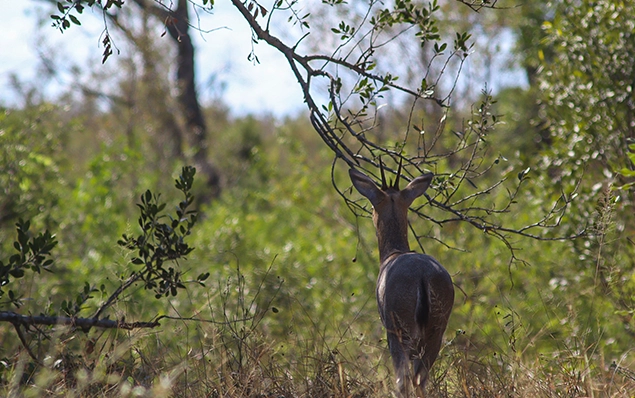
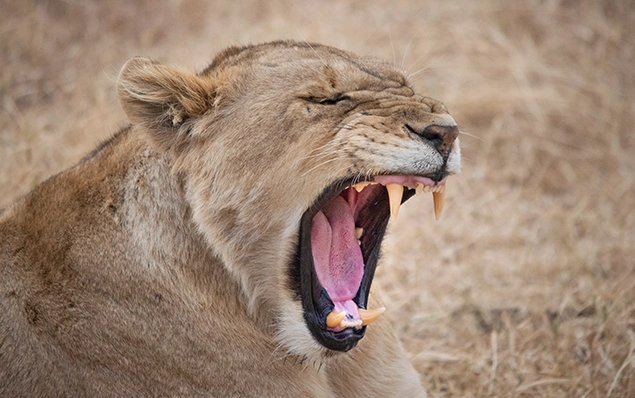
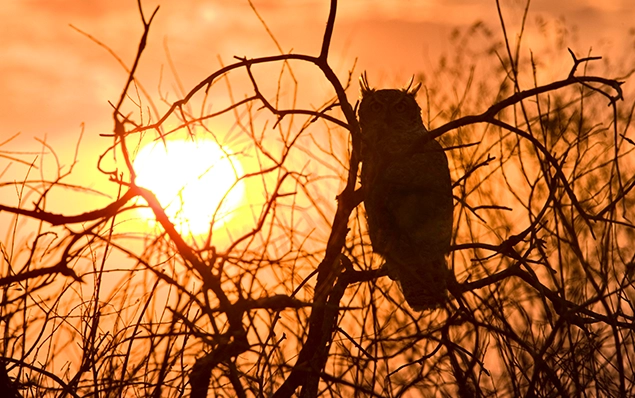
For the older traveller, the Kruger National Park is the quintessential destination. It is the place where you can put your feet up for a while, travel and your own pace, and perhaps for the first time in a long while, actually do what you want to go.
With no school terms to juggle, no annual leave to negotiate, and no need to create an itinerary built around what everyone else needs, travelling becomes a whole different experience, even more so when you decide to sign up for a safari.
Arriving Without the Tight Schedule
The silver tourism market is expanding rapidly for a reason that no amount of marketing copy can manufacture: people who have been everywhere once are starting to choose depth over breadth.
Unlike younger travellers chasing packed itineraries or quick weekend escapes, many travellers in this age group are prioritising comfort, flexibility and deeper experiences.
The appeal, as the research consistently shows, lies in spending longer in one place, connecting with what is actually there, and moving at a pace that allows you to enjoy the full experience.
The Kruger is one of the few safari destinations in the world where you can really just take your time.
At nearly two million hectares, the park is large enough that no two days inside it feel alike, even when the route is similar.
The air at 5.30am in June, cold enough to see your breath from the game drive vehicle, is nothing like the same air at 4pm when the golden hour settles over the Sabie River and the hippos start to shift.

Why Kruger Works so Well for this Stage of Life
Wide, paved roads and minimal transfer times means travelling in the Kruger Park starts relaxed and stress-free. Unlike more remote safari regions, the Kruger allows guests to see elephants, lions, and rhinos without exhausting treks or long, bumpy drives.
Waterholes are located close to the road, improving your chances of close-up wildlife spotting from the comfort of a vehicle.
The park’s infrastructure is extensive and well-maintained.
Game drive vehicles are equipped with side steps and supportive seating specifically to make boarding and exiting easier.
Many lodges and camps offer ground-level access, bricked pathways, and easy entry to dining decks and observation points. They are part of how the best lodges think about the guest experience for everyone.
On the Question of Timing
One of the greatest advantages enjoyed by travellers over 55 is the freedom to choose when to go, and in the Kruger, that freedom means having a experience.
Without school holiday schedules or annual leave restrictions, they can visit destinations during quieter seasons when accommodation rates are often lower and popular attractions less crowded.
The dry winter months, May through September, are when the Kruger is at its most rewarding, as the vegetation dies back and animals concentrate around permanent water.
The mornings are cold and clear, and the light in the late afternoon is the kind that makes every photograph look considered. Malaria risk is also lower during this period, which matters for travellers who prefer not to take prophylactics.
The best safaris in this window are not rushed. They involve a morning drive that starts at first light, a return to the lodge for a late breakfast and a rest through the warm middle hours, and an afternoon drive that runs until the sun goes down. That rhythm, repeated over four or five days, is what produces the kind of experience people are still talking about a year later.
Small Group Guided Safaris
You don’t have to drive yourself to enjoy the best possible experience.
Often it is the social dimension of a safari that matters more than most people think possible.
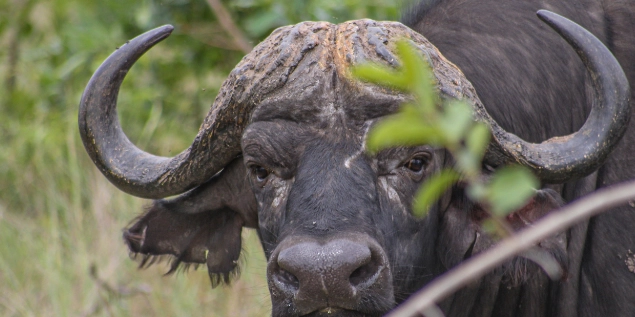
A small group game drive vehicle holds, at most, eight people. What happens in that vehicle over the course of a cold early morning is not something that can be replicated in a group of thirty.
A guide who knows their guests, who understands what they want to see and how they want to travel, and who has the experience to read the bush rather than simply follow a route, changes the nature of the experience entirely.
GAP Tours designs Kruger itineraries specifically for small groups of travellers who want to move thoughtfully rather than quickly.
We have qualified guides, our safaris are well paced, and the accommodation chosen for comfort and position rather than brand recognition.
If you are a traveller over 55, you have earned the right to be discerning about how you spend your time. So, book your Kruger tour today.
Frequently Asked Questions Why Kruger Park Safaris Are the Perfect Choice for Travellers Over 55
Is Kruger National Park suitable for travellers over 55?
Yes. Kruger National Park is widely considered one of the most accessible and comfortable safari destinations in Africa for travellers over 55. The park has well-maintained tar roads, waterholes close to viewing areas, and a wide range of accommodation from comfortable rest camps to luxury private lodge concessions. Private reserves adjacent to Kruger, including Sabi Sand, Timbavati, and Klaserie, offer low guest-to-guide ratios, open-vehicle game drives, and lodges with ground-level access, step-free pathways, and adapted vehicles for easier boarding. The absence of long walks or physically demanding activity means that the safari experience is fully accessible to travellers at any fitness level.
What is the best time of year for older travellers to visit Kruger?
The dry winter months, May through September, are the recommended period for travellers over 55 visiting Kruger National Park. During this time, vegetation is lower, animals concentrate around permanent water sources, and wildlife sightings are more consistent and rewarding. Malaria risk is also lower during winter than in the summer wet season, which is a relevant consideration for travellers who prefer not to take prophylactic medication. The quieter season also means lower accommodation rates and fewer crowds at rest camps and viewpoints, which suits travellers who value a more relaxed and unrushed experience.
Should travellers over 55 join a small group tour or go independently in Kruger?
A small group tour with a specialist operator is generally the most rewarding option for travellers over 55 visiting Kruger. Small group safaris, typically with no more than eight people per vehicle, provide expert guiding, all logistics handled, and the social dimension of shared sightings with like-minded travellers. Independent self-drive safaris in Kruger are possible and enjoyable for confident drivers, but they require advance planning, daily decision-making, and the navigation of SANParks booking systems that a specialist operator handles on behalf of their guests. For travellers who want to focus on the experience rather than the administration, a guided small group tour consistently produces a richer and more relaxed outcome.
What should travellers over 55 pack for a Kruger safari?
Travellers over 55 on a Kruger safari should pack in layers, as morning game drive temperatures in winter can drop to near zero in the open vehicle while afternoons can reach 28 degrees. A warm fleece or down jacket, a beanie, and gloves are essential for winter morning drives. Neutral-coloured clothing is practical for game drives. A wide-brimmed hat and high-SPF sunscreen are necessary for afternoon drives and lodge time outdoors. Binoculars significantly enhance the wildlife viewing experience and are worth the bag space. A DEET-based insect repellent is recommended for evening use, particularly in summer. Most quality lodges provide laundry service, so a lighter bag is practical for trips of four days or more.
What makes Kruger different from other African safari destinations for mature travellers?
Kruger National Park offers a combination of accessibility, infrastructure quality, and wildlife density that few other African safari destinations can match. The park’s well-maintained road network means game viewing does not require long or uncomfortable drives to reach productive areas. Private reserves bordering Kruger provide the off-road, low-numbers experience associated with more remote destinations, but within easy reach of airports and medical facilities. The availability of direct flights to Kruger Mpumalanga International Airport from Johannesburg and Cape Town reduces travel fatigue. South Africa’s developed tourism infrastructure means communication, medical access, and logistical support are more reliable here than in many comparable safari regions further north in the continent.