The Top Scenic Spots on the Panorama Route for PhotographersA road-trip through mist, golden light, and landscapes that will genuinely stop you mid-breath.
There is nothing as beautiful as the Limpopo and Mpumalanga highlands at golden hour.
The air is cool, the light is amber, and the world below the escarpment is a ripple of green and terracotta, shrouded in mist, as far as the eye can see.
For photographers travelling to South Africa, the Panorama Route is just the place to take some of the most scenic photos.
The Panorama Route tends to be a pleasant surprise for most travellers because it is just not what they expect, especially if they have only seen images of the Kruger and other popular places, like the Western Cape.
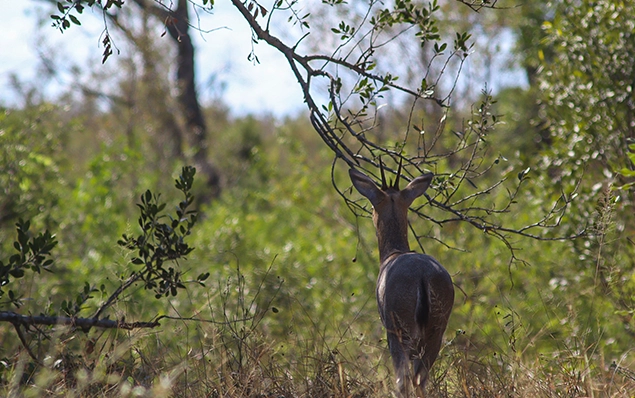
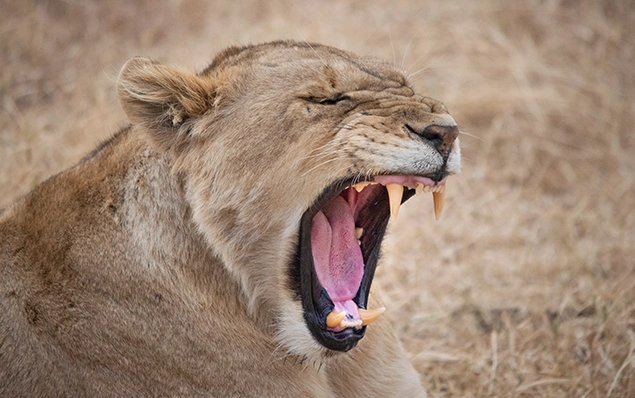
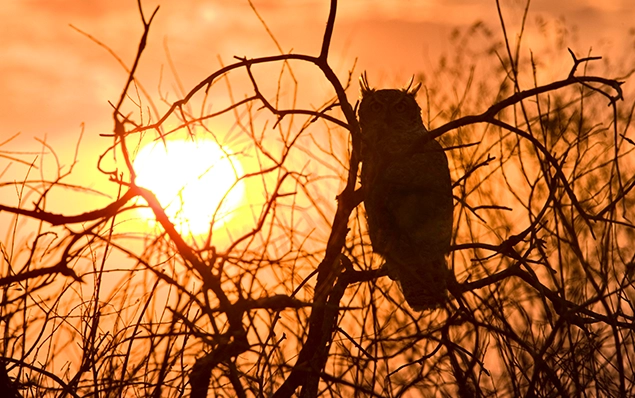
But the Panorama Route is full of stunning scenery and it is beautifully South African. Pair it with a Kruger National Park safari, and you have a photography trip that’ll give you landscapes, wildlife, and culture all packed into one trip through one of the most photogenic corners of the African continent.

Where Is the Panorama Route in South Africa?
The Panorama Route is a scenic drive in the Mpumalanga province of South Africa, roughly three to four hours east of Johannesburg.
The route runs along the Drakensberg Escarpment; a dramatic geological ridge where the highveld plateau drops sharply into the Lowveld below. This elevation difference, which can reach over 1 000 metres in places, is responsible for most of the route’s jaw-dropping views.
The town of Graskop is often used as a central base for exploring the area, with Pilgrim’s Rest, Sabie, Hazyview and the Kruger Park all within easy reach.
The route itself is not a single fixed road but rather a loose collection of viewpoints, waterfalls, canyons, and forests that travellers string together over one to three days, depending on how much time they want to spend taking photos.
And honestly, if you are there for photography, budget three days. You will thank yourself later.
What Are the 5 Best Places to Visit on the Panorama Route?
Blyde River Canyon
This is the headline act, and it earns every bit of its reputation.
The Blyde River Canyon is one of the largest canyons in the world, stretching approximately 26 kilometres in length and dropping to depths of around 800 metres.
The Three Rondavels viewpoint, named after the trio of cylindrical rock formations rising from the canyon floor, is one of the most photographed spots in all of South Africa. You should plan to arrive before sunrise and shoot into the mist. The results are extraordinary.
Bourke's Luck Potholes
Where the Treur and Blyde rivers meet, centuries of swirling water have carved an otherworldly series of cylindrical rock pools and potholes into the golden dolomite.
The patterns here are unlike anything found elsewhere in the country. Macro photographers and those with a love of texture and abstract composition will be absolutely delighted. The walkways and bridges over the gorge also provide interesting angles.
God's Window
The name is theatrical, but the view justifies it.
Standing at 1 730 metres above sea level, God’s Window gives travellers a panoramic look over the Lowveld, stretching towards the Kruger National Park. On clear days, the visibility can extend well over 100 kilometres.
The forest walk to the main viewpoint is lush and mossy, with wonderful opportunities for botanical and bird photography along the way.
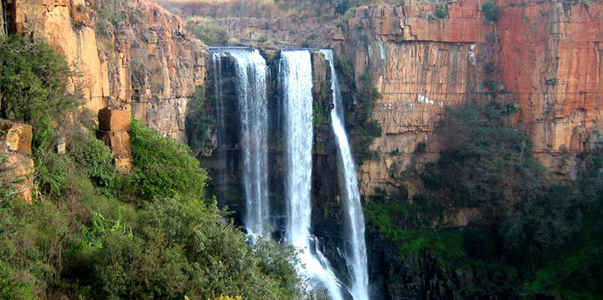
Lisbon Falls and Berlin Falls
Mpumalanga is home to an unusual cluster of waterfalls, many of which were named after European cities by early settlers.
Lisbon Falls, at approximately 94 metres, is among the tallest in South Africa and the Berlin Falls plunges into a natural rock pool surrounded by ferns and forest.
You’ll get the best photos with slow shutter speeds, polarising filters, and a little patience while waiting for the light to fall at the right angle.
Pilgrim's Rest
South Africa’s only declared National Monument town is a beautifully preserved gold rush village from the 1870s.
The corrugated iron rooftops, the main street lined with Victorian-era storefronts, and the general sense of time having stood still here make it a rich subject for street and documentary photographers.
Early morning, before the day-trippers arrive, the light is soft and the streets are quiet. That is your window.
Is the Panorama Route Worth It?
Without hesitation, yes.
It is one of those rare places where the photographs you plan to take end up being surpassed by the ones you stumble upon.
A vervet monkey watching you from a tree at Bourke’s Luck, the way God’s Window disappears entirely into cloud and then reappears ten minutes later, and the Afrikaans conversation happening at the farm stall where you stop for a koeksister and coffee, are all part of the experience when you’re travelling along the route.
The roads that make up the route wind through plantations of pine and eucalyptus, past waterfalls that have no signage and no crowds, and through little towns where the history of South Africa has been made.
For photographers specifically, the variety of subjects is exceptional.
Landscapes, waterfalls, rock formations, forests, small-town architecture, birdlife, and dramatic skies can all be seen in a relatively small geographic area.
There are very few destinations anywhere in the world that will give you this kind of variety within a two-day drive.
What Camera Gear Do You Need for the Panorama Route?
The Panorama Route is a technically varied destination, which means you need to give some thought to your kit.
Here is a practical breakdown by subject type.
Wide-angle lens (14mm to 24mm)
Essential for the canyon viewpoints and sweeping escarpment vistas. The scale of the Blyde River Canyon in particular demands a wide field of view to do it any justice. A wide-angle also works beautifully for capturing the waterfall environments in their full forest context.
Telephoto lens (100mm to 400mm)
Useful at God’s Window for compressing layers of landscape, and invaluable if you are transitioning directly into a Kruger safari immediately after the Panorama Route, which many photographers choose to do. The two experiences complement each other brilliantly.
Circular polarising filter
Non-negotiable at the waterfalls. Midday light creates harsh reflections on wet rock and moving water. A polariser cuts through that entirely, bringing out the emerald greens of the pools and the warm ochres of the dolomite.
ND filters (6-stop or 10-stop)
For long exposure work at Lisbon and Berlin Falls. The soft, silky motion blur on falling water in a forest setting is one of the most satisfying results you can come home with from this destination.
Tripod
You will be shooting in low light at sunrise, managing long exposures at waterfalls, and composing carefully at viewpoints. A sturdy, lightweight travel tripod is the single most important piece of kit to bring.
Extra batteries and weather protection
Mornings on the escarpment can be cold and misty, particularly between May and August. Batteries drain faster in the cold, and your gear will encounter condensation. Pack lens cloths, a rain sleeve, and at least one spare battery set per body.
Book a Panorama Route Today!
Gap Tours has been guiding travellers through South Africa’s most remarkable landscapes for years, creating itineraries that weave together the Panorama Route and the Kruger National Park safaris into one exciting, comprehensive, unhurried journey. If this kind of trip is on your radar for 2026, it is worth having a conversation with people who know these roads well. Contact us today.
Frequently Asked Questions
How long does it take to drive the Panorama Route?
The Panorama Route can technically be driven in a single long day, but this is not recommended for photographers. A two-day itinerary is the practical minimum, while three days allows you to visit every major site without rushing and to shoot during the best available light in the mornings and late afternoons.
When is the best time of year to visit the Panorama Route?
The dry winter months from May through August offer crisp, clear air and softer light, which is ideal for landscape photography. Summer, from November to February, brings lush green vegetation and spectacular afternoon thunderstorms, but also morning mist that can obscure canyon views. Both seasons have genuine photographic merit; the choice depends on the aesthetic you are after.
Can I combine a Panorama Route tour with a Kruger National Park safari?
Absolutely, and this is one of the most popular and logistically sensible itineraries for visiting this part of South Africa. The Panorama Route and Kruger are geographically adjacent, with the western boundary of Kruger sitting just below the escarpment. Many travellers spend two to three days on the Panorama Route and then transition directly into a Kruger safari, covering entirely different photographic subjects without any backtracking.
What are the best places to take photos in South Africa beyond the Panorama Route?
South Africa is a remarkably photogenic country across many regions. The Cape Peninsula, with its dramatic Atlantic coastline and fynbos landscapes, is a perennial favourite. The Drakensberg Mountains in KwaZulu-Natal rival anything in the Himalayas for scale and drama. The Garden Route offers coastal forests and coastal cliffs. And of course, Kruger National Park itself is considered one of the finest wildlife photography destinations in the world, with exceptional year-round access and a wide range of habitats.
Do I need a guide for Panorama Route tours, or can I self-drive?
Self-driving the Panorama Route is entirely possible, and the roads are well-maintained and clearly signposted. However, guided Panorama Route tours add meaningful value, particularly for photographers. A knowledgeable local guide can advise on the best times to visit each site, less-visited spots that do not appear in standard travel guides, and logistical nuances that make a significant difference to the quality of your experience. When the route is paired with a Kruger safari, having expert guidance transitions from useful to genuinely essential.